
Horse Feed Room Organization Ideas That Save Time Every Day
A better feed room is not about looking tidy for one afternoon. It is about building a setup that saves motion, reduces mistakes, and makes feeding easier every single day. When buckets, feeders, scoops, and daily tools have a real home, the whole barn works better.
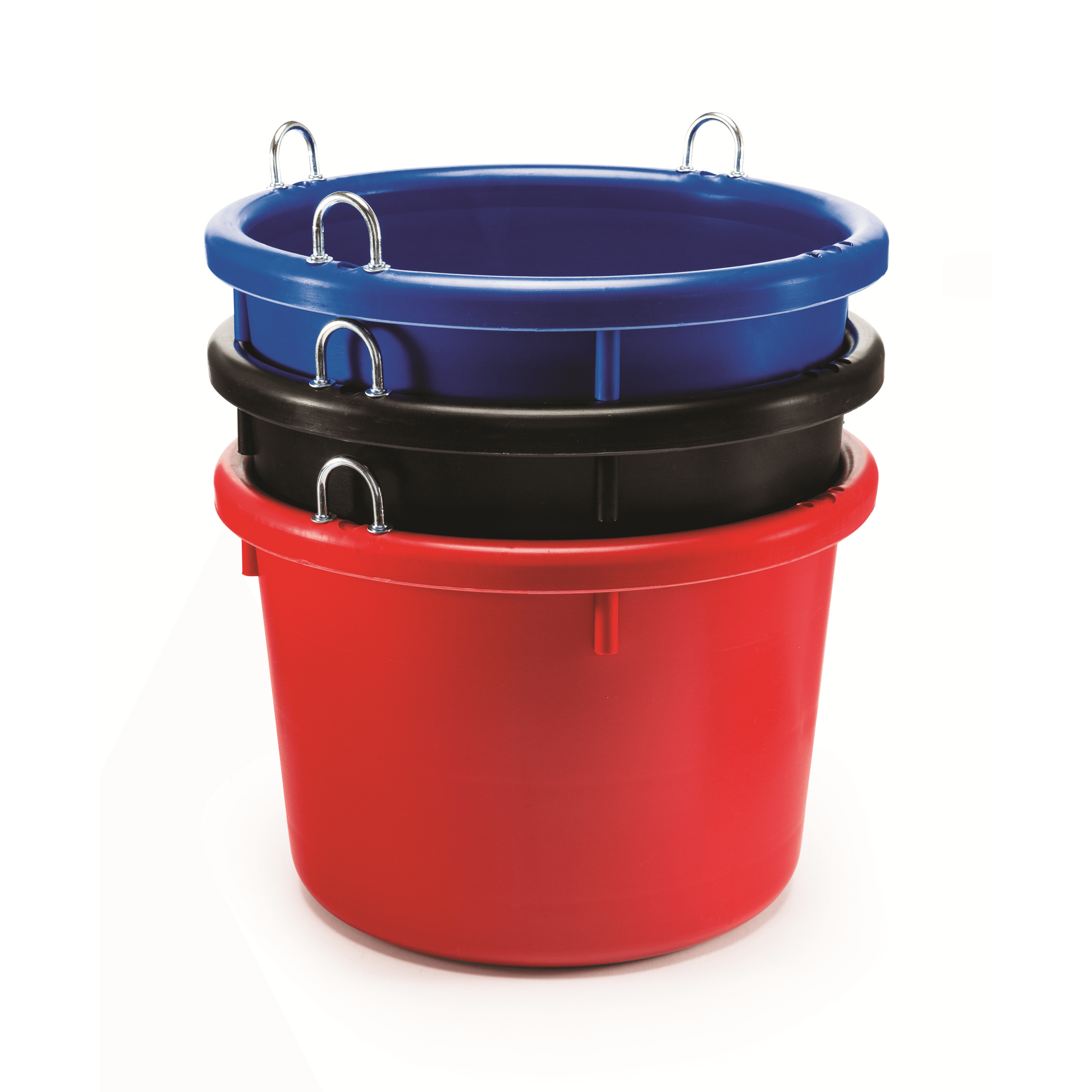
Quick answer
The best horse feed room organization starts with simple zones. Keep daily feed where it is easiest to reach, keep supplements visible, give scoops and feed tubs a fixed home, and stop letting frequently used tools drift around the barn. The result is less wasted motion, fewer mistakes, and a feed routine that is easier to repeat.
Why feed room setup matters more than people think
Most feed-room frustration does not come from one big problem. It comes from repeated little slowdowns. A scoop goes missing. A bucket ends up in the wrong place. A supplement gets buried behind something else. Somebody grabs the wrong tub because everything looks the same from ten feet away.
That is what a weak system does. It wastes time in tiny pieces until every feeding feels slower than it should.
A good system does the opposite. It reduces motion. It reduces confusion. It makes the next move obvious, even when you are tired, short on time, or feeding before daylight.
The five zones every feed room needs
You do not need a giant barn to organize a feed room well. You need each part of the room to have a clear job.
Main-feed zone
This is where the daily grain or base ration lives. It should be in the easiest spot to reach because it gets touched the most.
Supplement zone
Keep powders, pellets, and add-ins together. The point is visibility. If you cannot see it, it eventually gets skipped, doubled, or forgotten.
Bucket and tub zone
Empty buckets and feed tubs need a parking place. Otherwise they become moving clutter and start stealing room from the work area.
Scoop and small-tool zone
Scoops, gloves, clips, markers, and measuring tools are the first things to disappear. Group them on purpose.
Ready-to-carry zone
If you carry feed or gear to stalls, pens, or turnout areas, create one grab-and-go zone where prepared tubs or daily tools get staged.
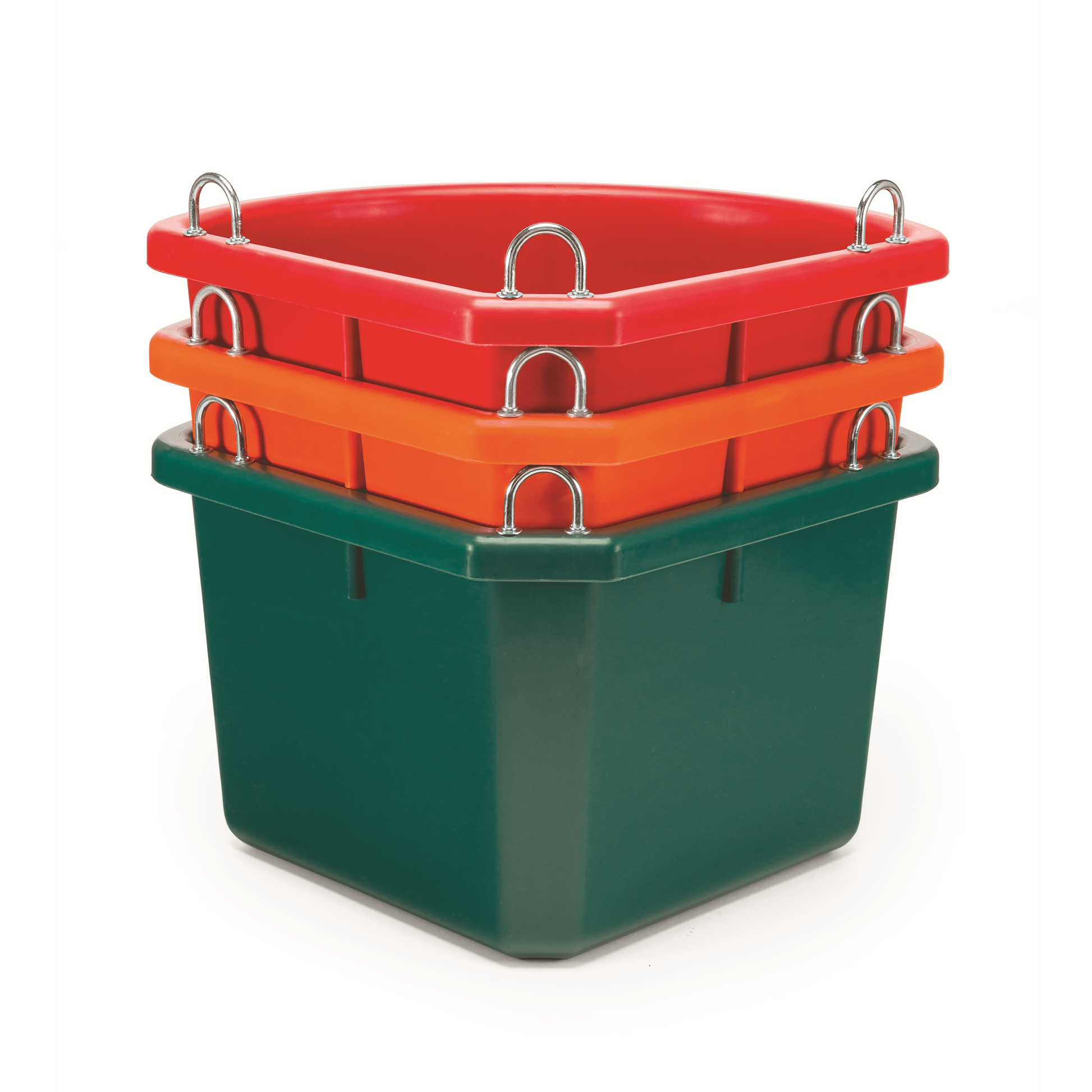
A clean feed-room system gets easier when the containers themselves are easy to sort, stack, stage, and assign.
Buckets vs tubs vs feeders
A lot of feed-room clutter starts because one container is trying to do every job. It works better when the gear matches the task.
Buckets
Best when you need to carry, hang, move water, or keep daily items contained. They earn their keep in stalls, wash areas, tack rooms, and all the quick jobs in between.
Feed tubs
Best when you want a simple open format for feeding, soaking, sorting, or staging portions. They are strong everyday tools when visibility matters.
Fixed or corner feeders
Best when you want feed to live in one repeatable place and reduce movement during the daily routine.
Mineral feeders
Best when minerals need a dedicated home and better protection from waste, weather, and drift into the rest of the setup.
The mistake is not using the wrong piece once. The mistake is forcing one piece of gear to solve every problem. That is how feed rooms get messy fast.
Why color systems help in feed rooms too
Color is not decoration. It is a shortcut. In a feed room, that matters because people sort faster by color than by reading a label every single time.
You can assign color by horse, by task, or by area. One color for supplements. One for daily feed. One for turnout tools. One for minerals. The specific system matters less than keeping it simple enough that somebody else could follow it without a speech.
That is the real test of a good barn system. It still works when another person steps in.
The reset rule that keeps the room from sliding backward
Most organized feed rooms do not stay organized because people are unusually disciplined. They stay organized because the reset is easy.
That means every common item needs a home that is easier to use than dropping it somewhere random. If the right place is awkward, overloaded, or too far away, the system will fail.
A good rule is this: if something gets used twice a day, it should be able to get back home in one motion. If it takes more than that, the setup probably needs work.
Best K&D gear for a cleaner feed-room routine
If you want the fast path, organize what gets touched every day first. The right buckets, feeders, and feeding tools remove friction faster than cosmetic fixes ever will.

Start here if you want the broadest view of K&D feeding gear by real use case.
Explore horse feed equipmentA good next stop when you are tightening up the day-to-day feeding side of the room.
Browse feeders and scoopsUseful when you want broader setup thinking around daily barn flow and practical gear choices.
Open the Barn Mastery GuideHelpful if you want to build a color-based system that stays easy to follow.
View the color chartHorse feed room organization FAQ
What is the best way to organize a horse feed room?
The best way is to divide the room into working zones. Keep main feed, supplements, empty containers, small tools, and ready-to-carry items in separate areas so the daily routine feels obvious and repeatable.
Should feed tubs and buckets be stored in the same place?
They can be, but it works better when each type has a defined home. If buckets, tubs, and feeders all get stacked together without a system, the room usually gets slower to use.
How do I reduce mistakes in a feed room?
Keep the setup simple, visible, and consistent. Clear zones, fixed storage spots, and a straightforward color system can reduce confusion and make chores easier to repeat.
Is color-coding worth it in a feed room?
Yes. Color helps people sort faster than labels alone, especially when chores happen early, late, or in a hurry.
What matters most in a small feed room?
In a smaller space, the biggest win is reducing drift. Every item needs a real place, and the things you use most often should be the easiest to reach.
Build a feed room that works harder
Start with the gear and layout choices that remove the most daily friction. Better organization is not about more stuff. It is about a smarter system for the work you already do.