
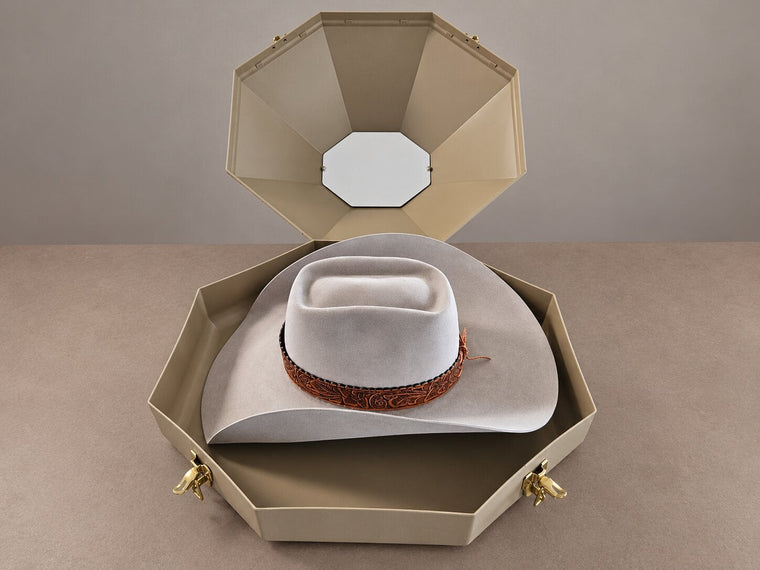
Will a 5-Inch Brim Hat Fit? Hat Size Matters, Too.
A 5-inch brim is only part of the fit question. See Jon Conklin’s size 7⅝ cowboy hat in the KDE KD-231 and learn...
Read article: Will a 5-Inch Brim Hat Fit? Hat Size Matters, Too.Add a brief introduction to the page.
Barn notes from K&D Equestrian
Useful gear advice, better barn routines, and stories from the people behind K&D.
A 5-inch brim is only part of the fit question. See Jon Conklin’s size 7⅝ cowboy hat in the KDE KD-231 and learn...
Read article: Will a 5-Inch Brim Hat Fit? Hat Size Matters, Too.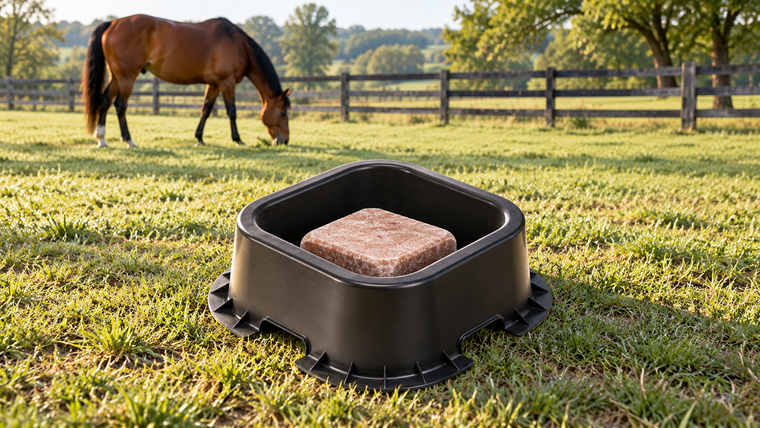
Place a mineral feeder on firm, well-drained ground where horses can approach safely, staff can inspect it daily, and runoff, manure, mud, and...
Read article: Pasture Mineral Feeder Placement: Keep the Routine Visible and Dry
A wide, stable ground feeder can resist ordinary nosing and eating movement, but no portable feeder should be treated as impossible to flip,...
Read article: Ground Feeder Stability: What “No-Tip” Should—and Should Not—Mean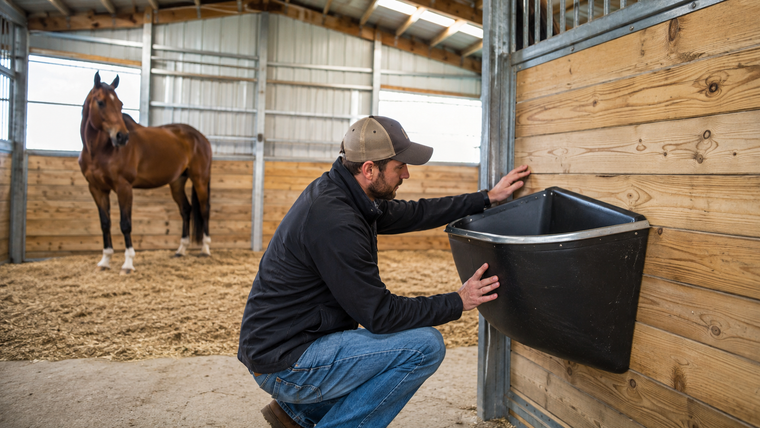
Use a structurally sound corner away from doors and crowding, give the horse comfortable access, eliminate gaps or protrusions, and preserve a clear...
Read article: Corner Feeder Placement: Use the Stall Corner Without Creating a Trap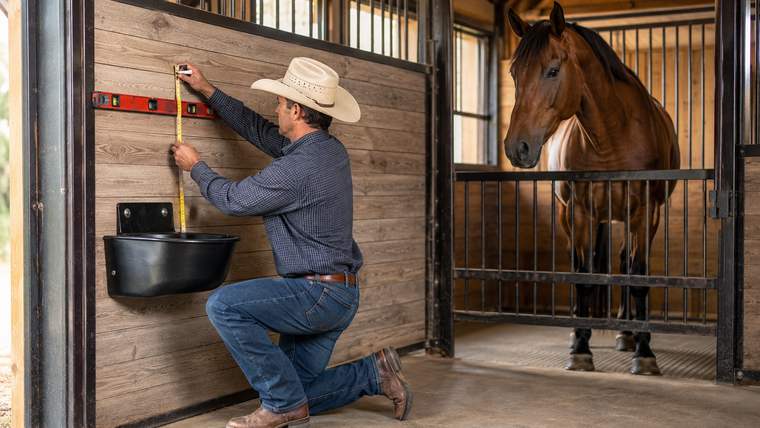
Set height from the individual horse's comfortable eating posture, shoulder and chest clearance, stall structure, and the manufacturer's installation guidance—not from one universal...
Read article: Wall-Mount Horse Feed Tub Height: A Practical Placement Method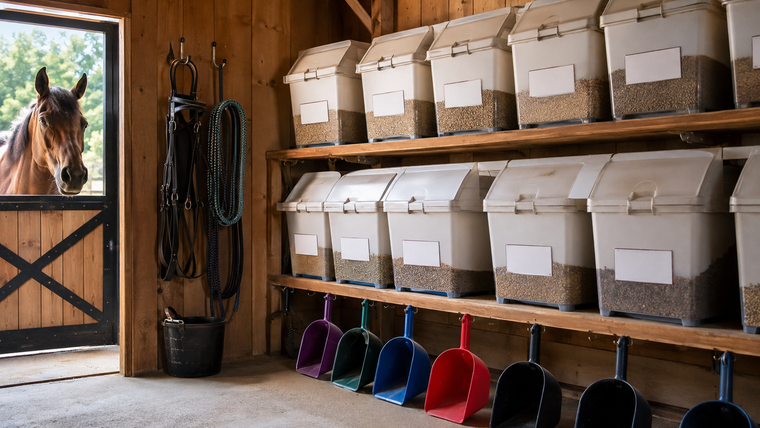
Assign a clean scoop to each feed or supplement, store it dry outside the bin when practical, label it clearly, and never move...
Read article: Horse Feed Scoop Cross-Contamination: A Better Feed-Room System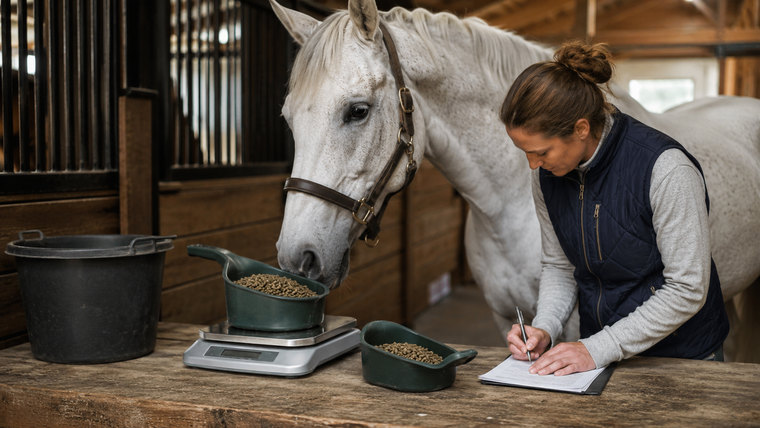
Weigh the empty scoop, fill it exactly as staff normally do, subtract tare weight, repeat several times, and mark the level that delivers...
Read article: How to Calibrate a Horse Feed Scoop by Weight—not Just Volume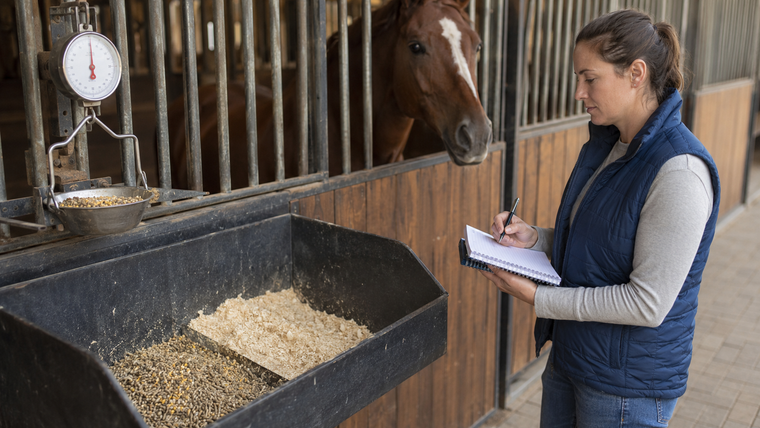
Measure what is served, collect or estimate what leaves the feeder, record the pattern for seven days, and compare the loss with feeder...
Read article: How Much Horse Feed Is Lost to Spilling? A Simple Barn Waste Audit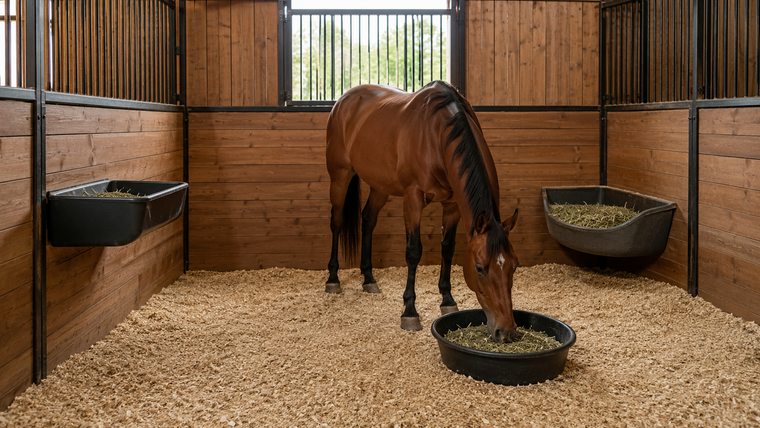
Choose a wall tub for accessible fixed feeding, a corner feeder when stall geometry favors it, and a ground pan when low feeding...
Read article: Horse Feed Tub, Corner Feeder, or Ground Pan? Choose by the Horse and Stall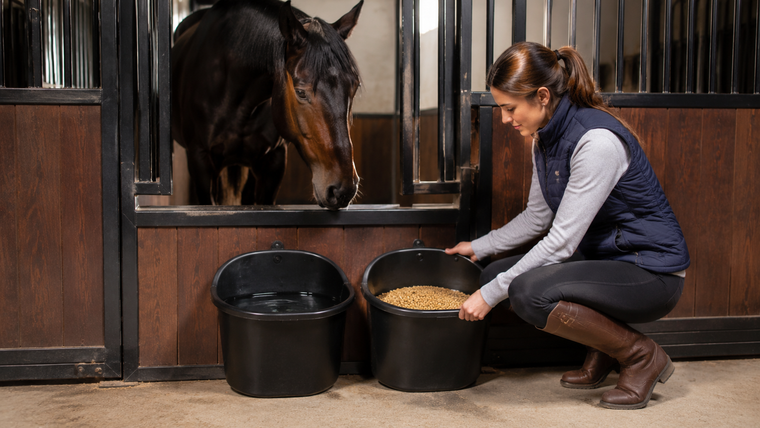
A flat-back bucket can physically serve either job, but dedicated feed and water buckets reduce residue, simplify cleaning, and make barn routines easier...
Read article: Flat-Back Bucket for Feed vs Water: Should One Bucket Do Both Jobs?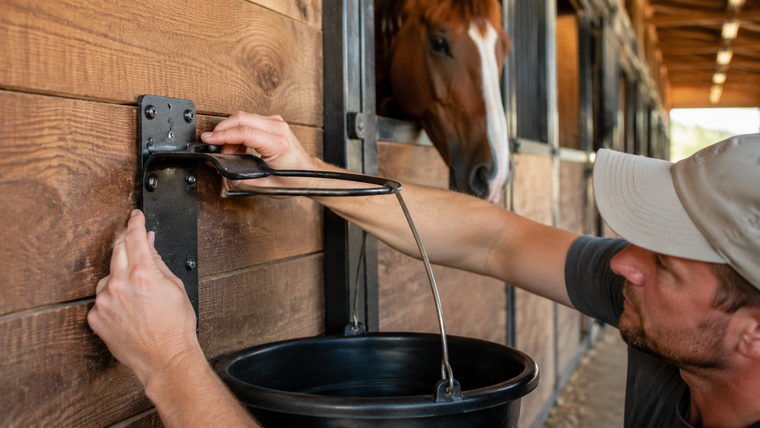
Choose compatible hardware, mount it to sound structure at a horse-appropriate height, eliminate sharp or protruding edges, and inspect the connection every day...
Read article: How to Choose Horse Bucket Hangers Without Creating a Stall Hazard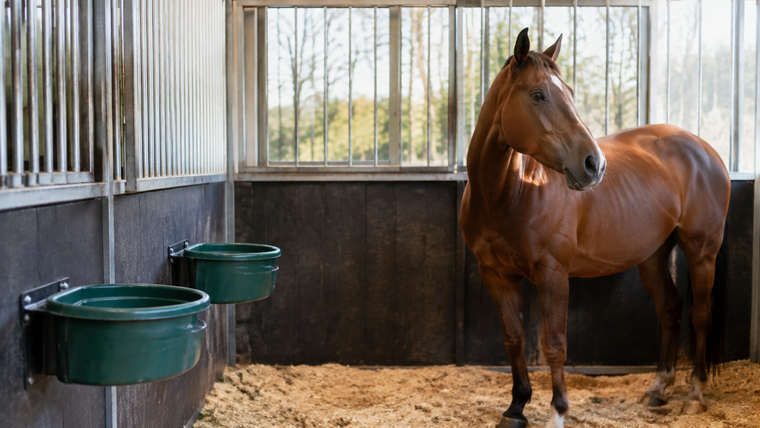
A two-bucket stall system adds capacity and redundancy when both buckets are safely mounted, kept clean, checked separately, and placed where one horse...
Read article: How to Build a Two-Bucket Water System for a Horse Stall